
Finding the time to prepare nutritious food during a busy work week is a challenge many professionals face daily. Between morning commutes, back-to-back meetings, and tight deadlines, nutrition often takes a backseat to convenience. Unfortunately, typical office vending machine fare—usually high in refined sugars and low in nutrients—often leads to energy crashes and distracts from productivity rather than supporting it.
This article is designed specifically for busy adults who want to prioritize their health without spending hours in the kitchen. If you are looking for simple, whole-food solutions that fit into a demanding schedule, this guide is for you. We will focus on practical, high-protein snacks that are easy to prepare, portable, and effective at keeping hunger at bay.
You do not need a culinary degree or expensive supplements to fuel your body correctly. The focus here is on real ingredients that provide sustained energy. By integrating higher-protein snacks into your workday, you can avoid the mid-afternoon slump and maintain focus until you clock out.
In the following sections, we will explore why protein is a critical component of a workday diet, followed by a curated list of ten high-protein snacks. Each option includes a breakdown of estimated macronutrients, a simple ingredient list, and quick preparation instructions. Finally, we will answer common questions about snacking and provide tips to make this dietary shift seamless. Whether you work from a home office or a corporate cubicle, these strategies will help you stay nourished and efficient.
Why Prioritize Protein During the Workday?
Protein is often associated with athletes and bodybuilders, yet it plays a fundamental role in the daily functioning of every human body. For the average working adult, prioritizing protein is less about building massive muscle and more about maintaining stable energy levels and mental clarity.
One of the primary benefits of protein is its effect on satiety. Unlike simple carbohydrates, which digest quickly and can lead to rapid spikes and drops in blood sugar, protein takes longer to break down. This slow digestion process signals to your brain that you are full, helping to curb cravings and prevent overeating later in the day. A study published in the American Journal of Clinical Nutrition suggests that higher protein intake increases satiety hormones while reducing the hunger hormone ghrelin.
Furthermore, protein has a higher thermic effect of food (TEF) compared to fats and carbohydrates. This means your body uses more energy to digest, absorb, and utilize protein. While this metabolism boost is modest, it contributes to overall energy expenditure. More importantly for office workers, stabilizing blood sugar through protein consumption prevents the “brain fog” often associated with sugar crashes.
Maintaining adequate protein intake also supports the preservation of muscle mass. Even if your job is sedentary, your body requires amino acids—the building blocks of protein—to repair tissues and support immune function. By including protein in your snacks, you ensure a steady supply of these essential nutrients throughout the day, supporting both physical health and cognitive performance.
10 High-Protein Snacks for Busy Professionals
Here are ten snack options designed to be simple, effective, and rich in protein. The macronutrient values provided are estimates based on standard serving sizes and may vary depending on the specific brands or produce sizes used.
1. Almond Butter and Banana Rice Cakes
A quick, portable snack that balances protein, healthy fats, and natural sweetness.
- Estimated Macros: 190 calories, 6g protein, 26g carbs, 8g fat
- Ingredients: 2 plain rice cakes, 1 tbsp almond butter, 1/2 banana (sliced).
- Preparation: Spread almond butter on each rice cake, top with banana slices, and enjoy immediately.
2. Turkey and Hummus Cucumber Bites
A fresh, bite-sized option perfect for snacking at your desk.
- Estimated Macros: 130 calories, 12g protein, 6g carbs, 6g fat
- Ingredients: 1/2 cucumber (sliced into rounds), 4 slices deli turkey, 2 tbsp hummus.
- Preparation: Spread a thin layer of hummus on each cucumber slice, fold the turkey slices, and place on top of the cucumber rounds.
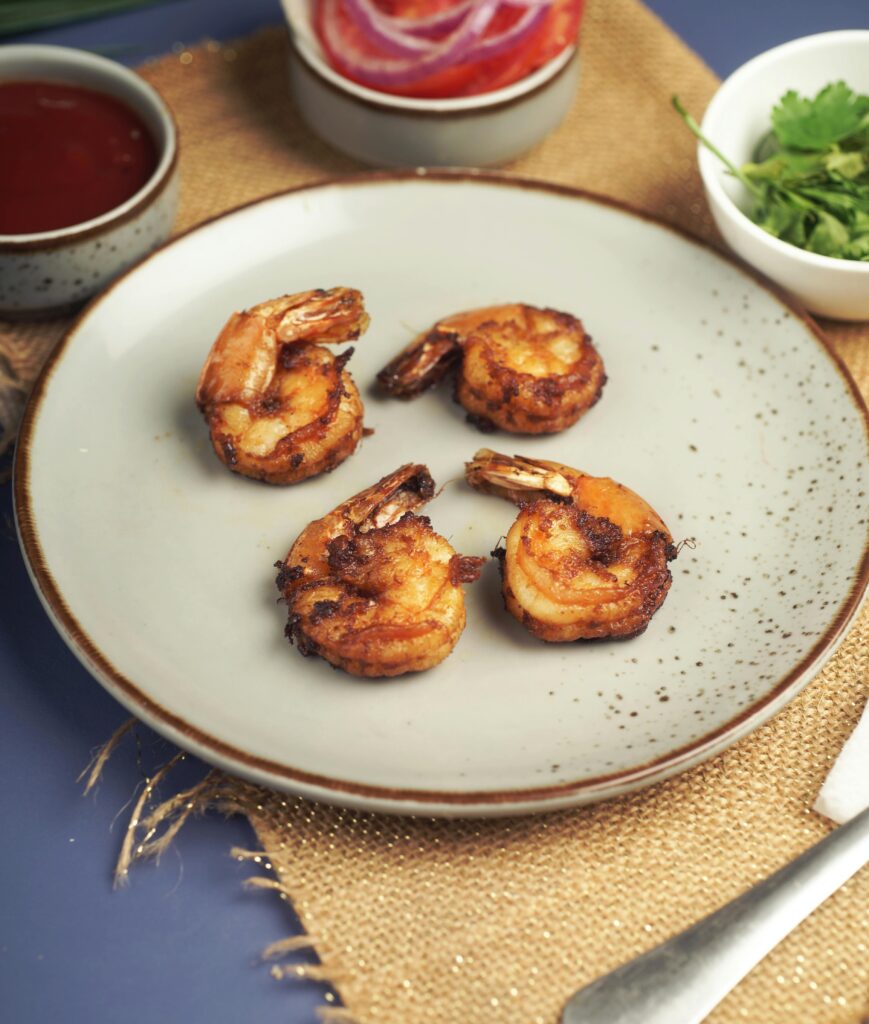
3. Boiled Shrimp with Cocktail Sauce
A protein-packed seafood snack that’s easy to prepare ahead of time.
- Estimated Macros: 120 calories, 18g protein, 6g carbs, 1g fat
- Ingredients: 3 oz boiled shrimp, 2 tbsp cocktail sauce (store-bought or homemade).
- Preparation: Boil shrimp until pink and cooked through (about 3–4 minutes), chill, and serve with cocktail sauce for dipping.
4. Mozzarella Cheese Sticks and Cherry Tomatoes
A simple, balanced snack combining protein, fat, and fibre.
- Estimated Macros: 150 calories, 10g protein, 6g carbs, 10g fat
- Ingredients: 2 string cheese sticks (mozzarella), 1/2 cup cherry tomatoes.
- Preparation: Pair each cheese stick with a handful of cherry tomatoes for a quick grab-and-go option.
5. Peanut Butter Apple Slices
A sweet and crunchy snack that’s high in protein and fibre.
- Estimated Macros: 200 calories, 8g protein, 28g carbs, 8g fat
- Ingredients: 1 medium apple (sliced), 1 tbsp natural peanut butter.
- Preparation: Spread peanut butter on each apple slice or use it as a dip. Store pre-sliced apples in a small container for convenience.
6. Smoked Turkey and Avocado Roll-Ups
A creamy and savoury snack with healthy fats and lean protein.
- Estimated Macros: 200 calories, 14g protein, 4g carbs, 14g fat
- Ingredients: 4 slices smoked turkey, 1/4 avocado (sliced).
- Preparation: Lay out turkey slices, place a slice of avocado on each, roll them up tightly, and secure with a toothpick if needed.
7. Quinoa Salad Cups
A nutrient-dense snack packed with protein, fibre, and healthy fats.
- Estimated Macros: 220 calories, 9g protein, 28g carbs, 8g fat
- Ingredients: 1/2 cup cooked quinoa, 1/4 cup diced cucumber, 1/4 cup diced tomato, 1 tbsp feta cheese, drizzle of olive oil.
- Preparation: Combine all ingredients in a small container, mix, and store in the fridge for a fresh, ready-to-eat snack.
8. Chicken and Guacamole Lettuce Wraps
A protein-rich snack with a fresh, satisfying crunch.
- Estimated Macros: 180 calories, 20g protein, 4g carbs, 9g fat
- Ingredients: 3 oz cooked shredded chicken, 2 tbsp guacamole, 2 large lettuce leaves.
- Preparation: Spread guacamole onto the center of each lettuce leaf, top with shredded chicken, and wrap tightly for a mess-free snack.
9. Baked Turkey Meatballs
A bite-sized, protein-packed snack you can prep in advance.
- Estimated Macros: 180 calories, 20g protein, 2g carbs, 8g fat (for
- 4 small meatballs)
- Ingredients: 1 lb lean ground turkey, 1/4 cup breadcrumbs, 1 egg, 1 tsp garlic powder, 1 tsp onion powder, salt, and pepper.
- Preparation: Mix all ingredients, form into small meatballs, and bake at 375°F (190°C) for 15–20 minutes. Store in the fridge and enjoy cold or reheated.
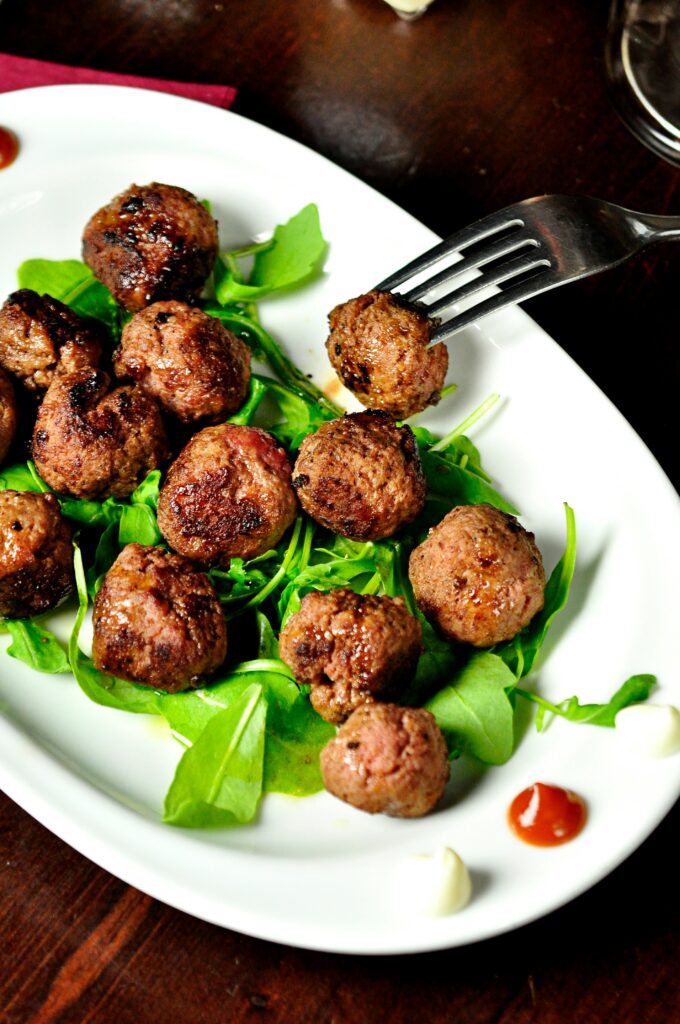
Photo by Emiliano Vittoriosi on Unsplash
10. Boiled Eggs with Avocado Mash
A creamy, protein-packed snack perfect for a quick boost of energy.
- Estimated Macros: 200 calories, 12g protein, 6g carbs, 14g fat
- Ingredients: 2 boiled eggs, 1/4 avocado, a pinch of salt and pepper.
- Preparation: Mash avocado with salt and pepper in a small bowl. Slice boiled eggs in half, top each half with a dollop of avocado mash, and enjoy!
Common Mistakes When Choosing High-Protein Work Snacks
Many snacks marketed as “high-protein” are misleading. A common mistake is choosing protein bars or packaged snacks loaded with added sugars and artificial ingredients, which can spike blood sugar and cause energy crashes. Another issue is relying solely on protein without fibre or healthy fats, reducing satiety and digestion quality. Finally, portion sizes matter—snacks with only 5–7 grams of protein may not meaningfully impact hunger. For best results, aim for snacks with at least 10 grams of protein paired with whole-food ingredients that support steady energy throughout the workday.
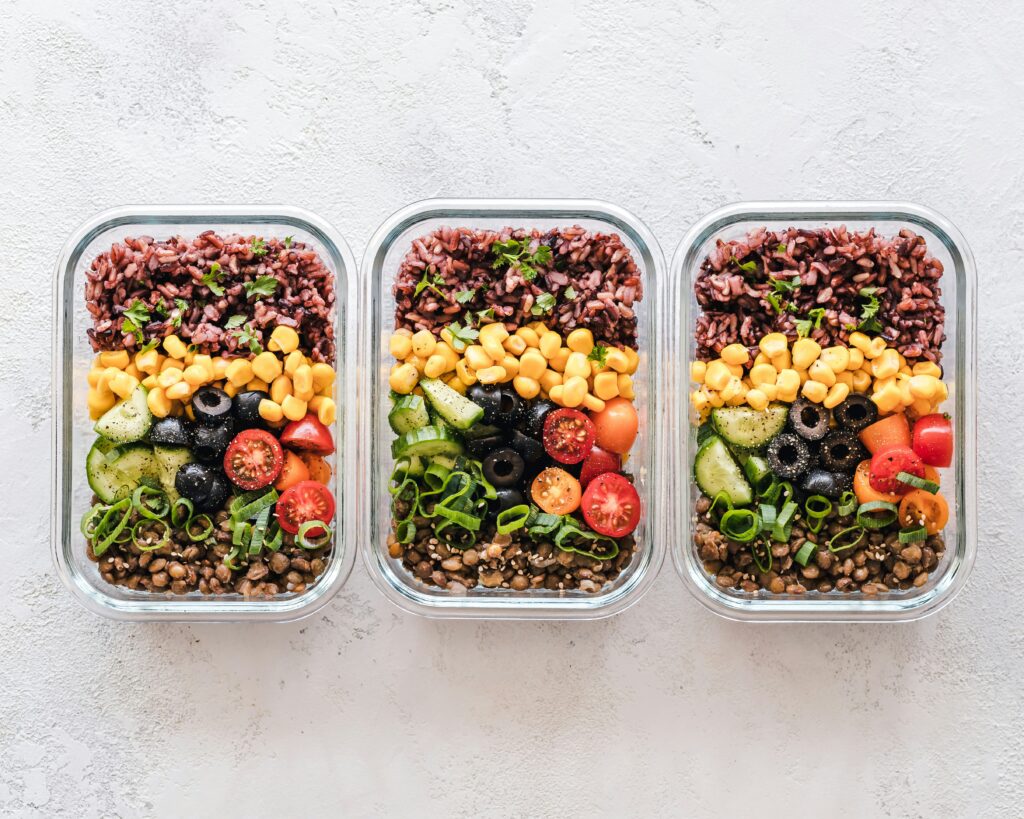
Photo by Ella Olsson on Unsplash
Practical Tips for High-Protein Eating
Transitioning to a high-protein diet at work requires some planning, but it does not have to be difficult. The key to success is removing friction so that the healthy choice becomes the easy choice.
First, invest in quality meal prep containers. Having different sizes for dips, salads, and bulkier items ensures your food stays fresh and appetizing. Glass containers are preferable as they do not retain odours and are easier to clean. Pre-portioning your snacks on Sunday evening or the night before work eliminates decision fatigue in the morning.
Second, keep non-perishable backups at your desk. There will be days when you forget your fresh food or get stuck in meetings through lunch. Keeping a stash of canned tuna, jerky, or protein powder in your desk drawer ensures you always have a protein source available, preventing a trip to the vending machine. According to the Harvard T.H. Chan School of Public Health, planning ahead and controlling your food environment are key strategies for maintaining a healthy diet.
Lastly, read labels carefully. Many products marketed as “high protein” are actually laden with added sugars and artificial ingredients. Look for short ingredient lists where a protein source (like milk, meat, eggs, or soy) is listed first. Aim for snacks that provide at least 10 grams of protein per serving to truly impact your satiety levels.
FAQ: Protein Snacking
1. How much protein should I aim for in a snack?
A good target for a work snack is between 10 and 20 grams of protein. This amount is generally sufficient to trigger satiety signals and stabilize blood sugar without being as heavy as a full meal.
2. Can I eat too much protein?
For healthy individuals, higher protein intake is generally safe. However, balance is key. If you focus solely on protein at the expense of fibre-rich vegetables and healthy fats, you may miss out on other essential nutrients. The Mayo Clinic advises that a balanced diet should include a variety of nutrient sources.
3. Are protein bars a good option?
Protein bars can be convenient, but quality varies drastically. Many are essentially candy bars with added soy crisps. If you choose bars, look for options with less than 10 grams of sugar and at least 15 grams of protein, and try to prioritize whole-food ingredients.
Conclusion
Incorporating high-protein snacks into your workday is a practical strategy for maintaining consistent energy and focus. By moving away from refined sugars and simple carbohydrates, you support your body’s natural rhythms and avoid the afternoon crash that hinders productivity.
The ten options listed above—from simple hard-boiled eggs to savoury turkey roll-ups—demonstrate that nutritious eating does not require complex cooking or exotic ingredients. With a small amount of preparation and the right mindset, you can fuel your body effectively even on the busiest days. Remember, the goal is progress, not perfection. Start by swapping out one usual snack for a high-protein alternative and observe the difference in how you feel and perform.
Disclaimer: This content is for informational purposes only and does not constitute medical advice. Always consult with a healthcare professional or registered dietitian before making significant changes to your diet, especially if you have underlying health conditions.
Pingback: 10 Easy High-Protein Lunch Ideas for Your Workday
Pingback: High-Protein Meal Prep: 21 Easy Recipes for Busy Adults