Staying on top of your health goals while balancing a busy lifestyle can feel overwhelming. You wake up early, rush to get ready, maybe get kids out the door, and head to work. In the chaos of the morning rush, breakfast is often the first thing to be sacrificed. You might grab a sugary pastry, a processed bar, or skip the meal entirely, only to find yourself starving and low on energy by 10 AM.
This is where high-protein breakfast meal prep becomes a game-changer. By dedicating just a small window of time on the weekend or the night before, you can ensure your mornings start with a nutritious, filling meal that supports your energy needs. This article is designed specifically for busy adults who want to prioritize their health without spending hours in the kitchen or relying on expensive supplements.
We focus on simple, whole-food ingredients that are accessible and budget-friendly. You won’t find complicated culinary techniques here—just straightforward, delicious food that works for real life. Whether you are looking to support fat loss, maintain muscle, or simply avoid the mid-morning slump, increasing your protein intake at breakfast is a strategic move.
In this guide, we will explore why protein matters for your morning routine and provide you with 10 practical, delicious recipes complete with estimated macronutrients. These ideas are designed to be portable, family-friendly, and ready in minutes. Let’s take the stress out of mornings and put the focus back on fueling your body effectively with smart high-protein breakfast meal prep.
If you are looking for simple ways to stay consistent throughout the day, these breakfast ideas pair perfectly with our guide to high-protein meals for busy professionals, designed to support energy from morning to night.
High-protein breakfast meal prep involves preparing protein-rich meals in advance so busy mornings stay fast, filling, and energizing. Popular options include egg muffins, Greek yogurt parfaits, overnight oats, and breakfast burritos, all designed to support stable energy and reduce mid-morning hunger.
Why Protein Is Important for Your Morning
Starting your day with protein is about more than just building muscle; it is a crucial component of overall metabolic health and daily energy management. When you prioritize protein at breakfast, you are setting a metabolic tone for the rest of the day.
One of the primary benefits of a protein-rich breakfast is satiety. Protein is the most satiating macronutrient, meaning it helps you feel fuller for longer compared to carbohydrates or fats. This can significantly reduce the likelihood of snacking on less nutritious foods later in the morning. According to the Harvard T.H. Chan School of Public Health, protein is essential for the body’s growth and repair, but it also plays a key role in regulating appetite hormones.
Additionally, protein has a higher thermic effect of food (TEF) than carbs or fats. This means your body uses more energy (calories) to digest and process protein, which can give your metabolism a slight boost. This metabolic advantage, combined with stable blood sugar levels, prevents the energy crashes often associated with high-carb breakfasts like bagels or cereal.
Furthermore, consuming adequate protein helps preserve lean muscle mass, which is vital for long-term health and metabolism. By incorporating high-protein meal prep into your routine, you ensure your body has the amino acids it needs to repair tissues and produce essential enzymes and hormones, keeping you energized and focused throughout your busy day.
If you prefer to avoid supplements, you may also enjoy our guide to high-protein breakfasts without protein powder, which focuses entirely on whole-food options.
10 Simple High-Protein Breakfast Meal Prep Ideas
Here are ten practical, whole-food recipes designed for efficient high-protein breakfast meal prep. Each option is created to be simple, delicious, and easy to grab on your way out the door.
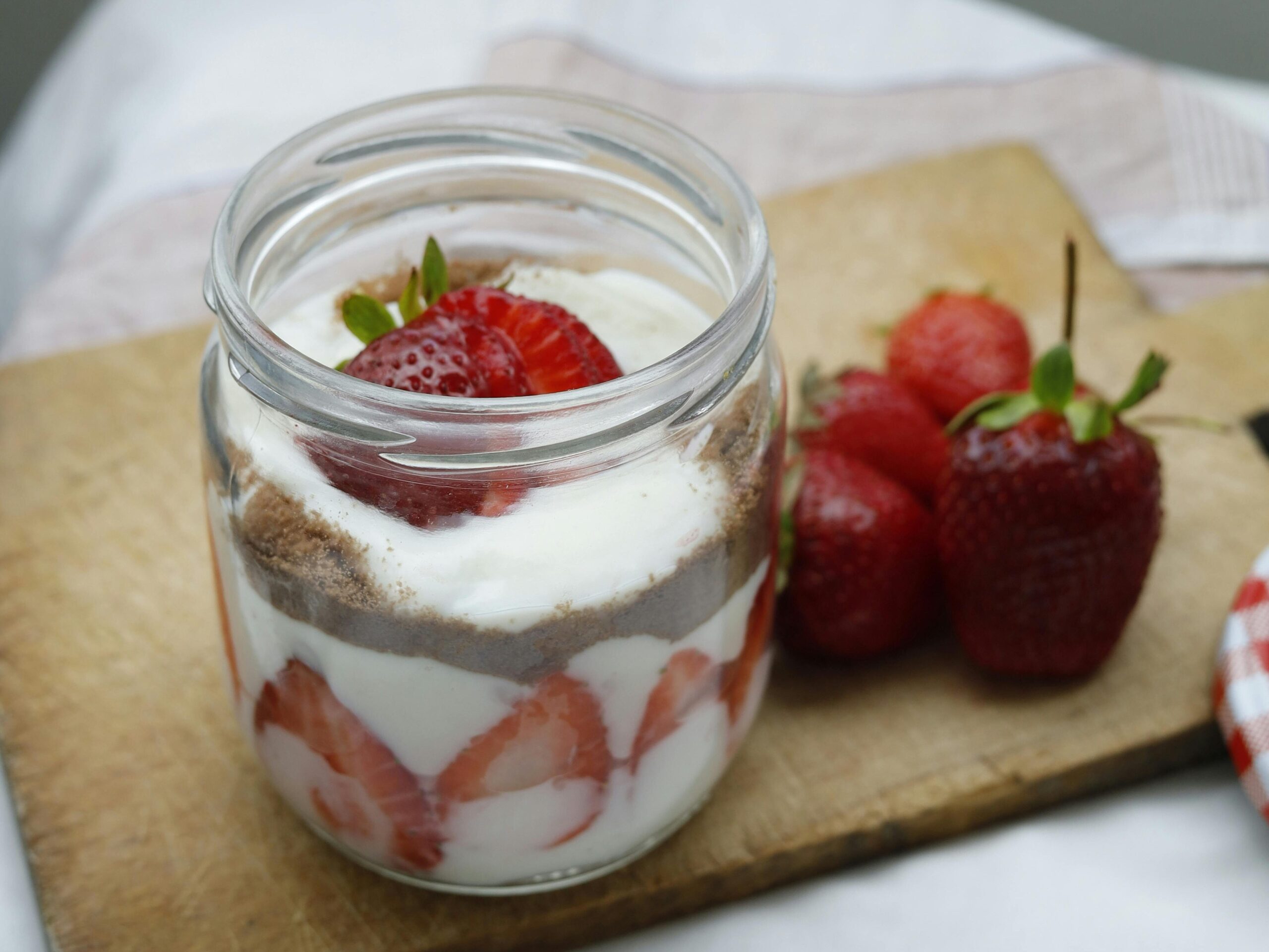
1. Greek Yogurt Parfait Jars
This is the ultimate “grab-and-go” breakfast. Greek yogurt is naturally high in protein and requires zero cooking. Layering it in mason jars makes it portable and visually appealing.
- Estimated Macros: 350 calories, 22g protein, 45g carbs, 8g fat
- Ingredients:
- 1 cup plain non-fat Greek yogurt
- 1/2 cup mixed berries (fresh or frozen)
- 1/4 cup low-sugar granola
- 1 tsp chia seeds
- Drizzle of honey (optional)
- Preparation: Layer half the yogurt, berries, and granola in a jar, then repeat; seal and refrigerate for up to 3 days.
2. Spinach and Feta Egg Muffins
Egg muffins are a staple of high-protein breakfast meal prep. They are essentially crustless mini quiches that reheat perfectly in the microwave.
- Estimated Macros (per 3 muffins): 280 calories, 20g protein, 4g carbs, 18g fat
- Ingredients:
- 6 large eggs
- 1 cup fresh spinach, chopped
- 1/2 cup crumbled feta cheese
- 1/4 cup milk (dairy or plant-based)
- Salt and pepper
- Preparation: Whisk eggs, milk, and spices, then pour into a greased muffin tin filled with spinach and feta; bake at 350°F (175°C) for 20-25 minutes.

3. Overnight Oats with Chia and Hemp Hearts
While oats are carb-heavy, adding seeds and Greek yogurt boosts the protein significantly. This method “cooks” the oats in the fridge overnight.
- Estimated Macros: 400 calories, 18g protein, 52g carbs, 12g fat
- Ingredients:
- 1/2 cup rolled oats
- 1/2 cup milk (dairy or soy for higher protein)
- 1/4 cup Greek yogurt
- 1 tbsp chia seeds
- 1 tbsp hemp hearts
- Dash of cinnamon
- Preparation: Mix all ingredients in a jar or container, cover, and refrigerate overnight (at least 4 hours) to thicken.
4. Turkey Sausage Breakfast Burritos
Burritos are incredibly freezer-friendly. Using turkey sausage keeps them lean while packing a protein punch.
- Estimated Macros: 380 calories, 25g protein, 35g carbs, 14g fat
- Ingredients:
- 2 large eggs, scrambled
- 2 turkey breakfast sausage links, cooked and chopped
- 1 medium whole-wheat tortilla
- 2 tbsp shredded cheddar cheese
- 2 tbsp black beans
- Preparation: Scramble eggs and sausage, place onto a tortilla with cheese and beans, roll tightly, and wrap in foil to freeze or refrigerate.
5. Cottage Cheese Breakfast Bowl
Cottage cheese is an underrated powerhouse for high-protein breakfast meal prep. It is versatile and can be made savoury or sweet.
- Estimated Macros: 320 calories, 28g protein, 20g carbs, 10g fat
- Ingredients:
- 1 cup low-fat cottage cheese
- 1/2 peach or pear, sliced
- 1 tbsp crushed walnuts
- Sprinkle of cinnamon
- Preparation: Simply portion cottage cheese into a container and top with fruit and nuts; keep refrigerated until ready to eat.
6. Smoked Salmon and Cream Cheese Bagel Box
Think of this as an adult “Lunchable” for breakfast. It feels luxurious but takes minutes to assemble.
- Estimated Macros: 410 calories, 24g protein, 45g carbs, 13g fat
- Ingredients:
- 3 oz smoked salmon
- 1 whole-grain bagel thin (or half a regular bagel)
- 2 tbsp whipped cream cheese
- Cucumber slices
- Capers (optional)
- Preparation: Toast the bagel lightly if desired, then pack ingredients in a divided container to assemble fresh when you are ready to eat.
7. Quinoa Breakfast Bowl with Hard-Boiled Eggs
Quinoa is a complete plant-based protein. Pairing it with eggs makes for a hearty, savoury start to the day.
- Estimated Macros: 390 calories, 21g protein, 40g carbs, 16g fat
- Ingredients:
- 3/4 cup cooked quinoa
- 2 hard-boiled eggs, peeled and halved
- 1/2 avocado, sliced
- Cherry tomatoes
- Lemon juice dressing
- Preparation: Place cooked quinoa in a bowl, top with eggs and veggies, and store dressing separately to drizzle before eating.
8. Berry Protein Smoothie Packs
Smoothies are fast, but measuring ingredients every morning takes time. Pre-packing freezer bags makes this high-protein breakfast meal prep instantaneous.
- Estimated Macros: 300 calories, 25g protein, 35g carbs, 6g fat
- Ingredients:
- 1 cup frozen mixed berries
- 1/2 banana
- 1 scoop plain or vanilla whey/pea protein powder
- 1 tbsp almond butter
- 1 cup water or milk (add when blending)
- Preparation: Place all solid ingredients into a freezer-safe bag; in the morning, dump into a blender, add liquid, and blend.
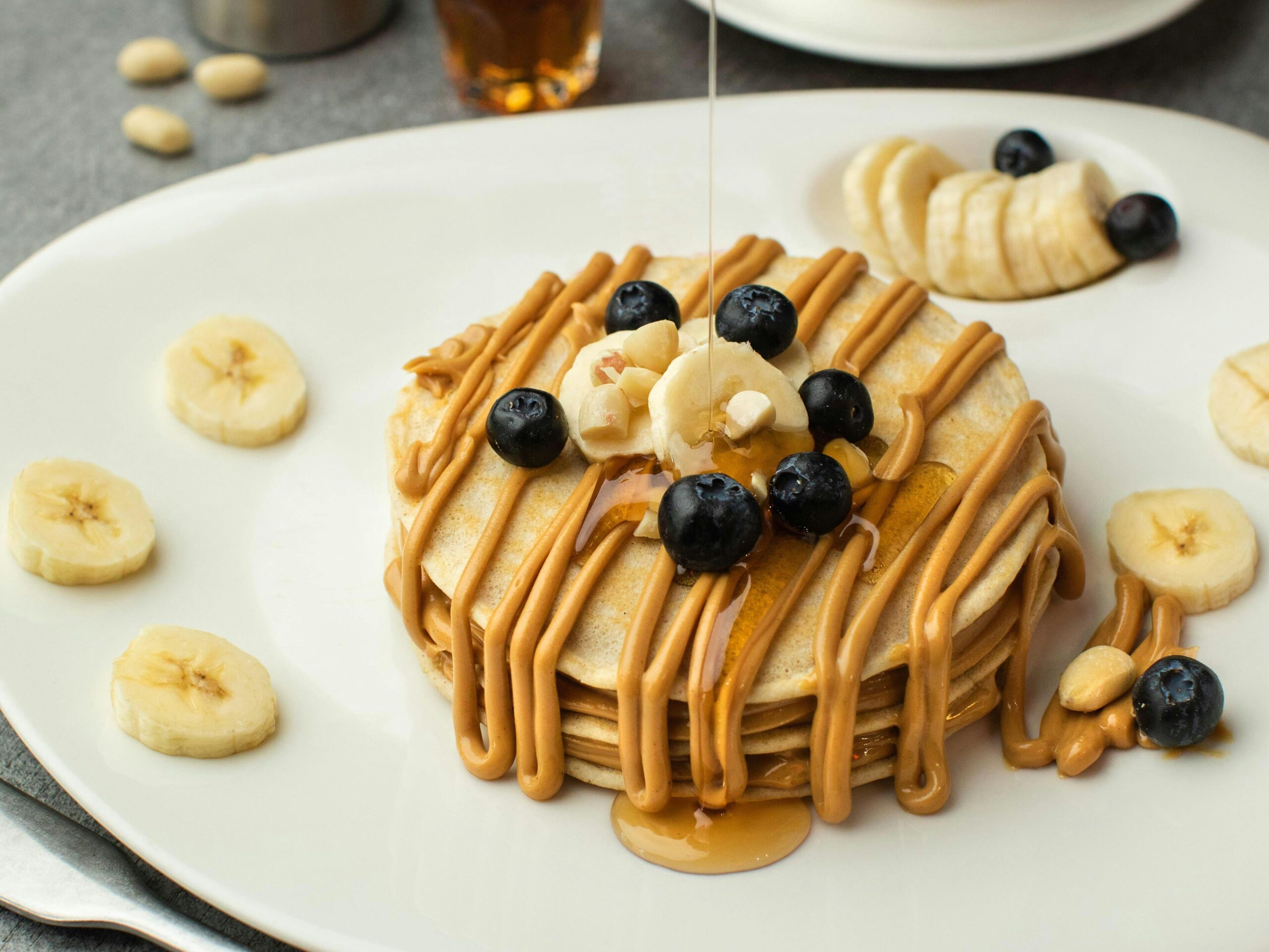
9. Peanut Butter Banana Protein Pancakes
You can make a large batch of these on Sunday and toast them throughout the week. They offer a comforting, warm breakfast without the hassle.
- Estimated Macros (per 2 pancakes): 360 calories, 18g protein, 42g carbs, 12g fat
- Ingredients:
- 1 ripe banana, mashed
- 2 eggs
- 1/4 cup rolled oats
- 1 tbsp peanut butter
- 1/2 tsp baking powder
- Preparation: Blend or mix all ingredients into a batter, cook on a griddle like normal pancakes, cool, and store in the fridge or freezer.
10. Ham and Cheese Egg Cups
Similar to the spinach muffins, but utilizing deli ham as a “crust” for a savoury, low-carb option.
- Estimated Macros (per 2 cups): 240 calories, 22g protein, 2g carbs, 15g fat
- Ingredients:
- 4 slices lean deli ham
- 4 large eggs
- 2 tbsp shredded Swiss or cheddar cheese
- Chives for garnish
- Preparation: Line muffin tin wells with a slice of ham, crack an egg into each, top with cheese, and bake at 375°F (190°C) for 15 minutes.
According to the Mayo Clinic, choosing lean protein sources like eggs, poultry, and dairy is key to maintaining a healthy diet without consuming excessive saturated fats. These recipes focus on those lean options to keep your high-protein meal prep balanced and heart-healthy.
Practical Tips for Easier High-Protein Eating
High-protein breakfast meal prep works best when you prepare flexible components that can be mixed and matched throughout the week. Success with meal prep often comes down to strategy rather than cooking skills. Here are a few tips to make the process smoother.
First, batch cook your staples. Instead of cooking two eggs every morning, boil a dozen on Sunday. Cook a large batch of quinoa or roast a tray of turkey sausages. Having these components ready allows you to assemble different meals quickly, ensuring variety throughout the week.
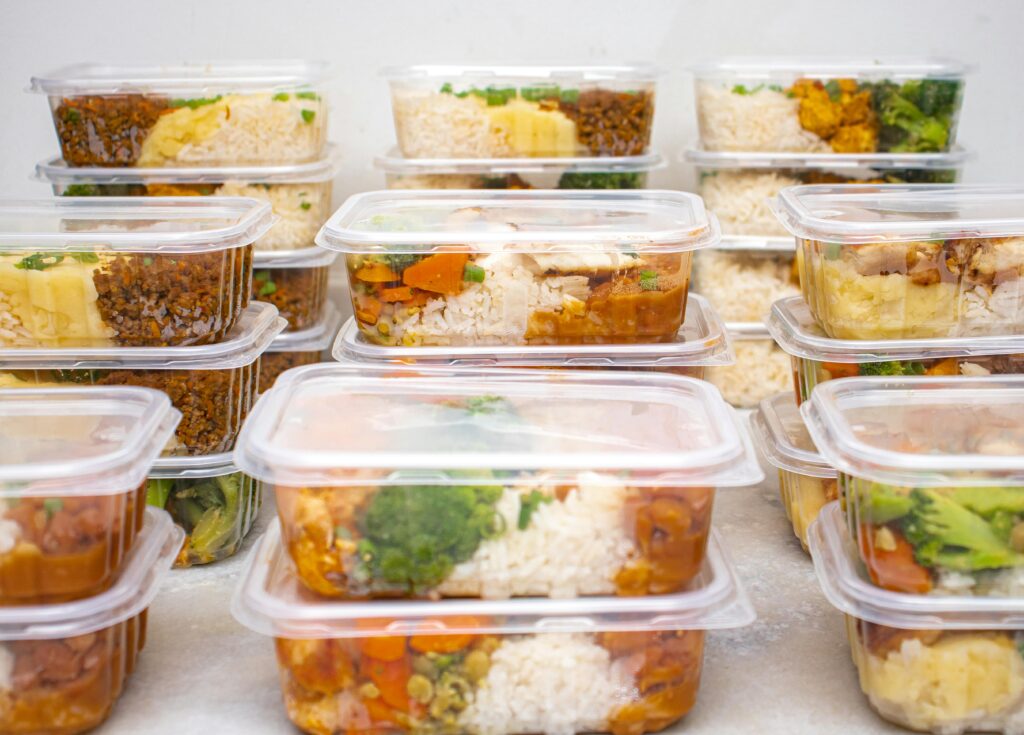
Second, invest in quality containers. Glass containers with snap-locking lids are ideal because they keep food fresh longer and don’t stain or retain odours. Mason jars are perfect for oats and yogurt, while divided containers work well for “bento box” style breakfasts.
Third, keep it simple. You don’t need a new recipe for every day of the week. Pick two recipes for the week—perhaps the egg muffins and the overnight oats—and alternate them. This simplifies your grocery shopping and reduces the mental load of decision-making.
Finally, remember that consistency beats perfection. Even if you only prep for three days instead of five, that is three mornings of stress-free, nutritious eating. According to Healthline, meal prepping can reduce stress and help you stick to a healthier diet by removing the temptation of fast food.
Pairing a protein-rich breakfast with smart snacks later in the day is key, which is why many readers also find our list of high-protein snacks for work helpful for staying energized between meals.
Frequently Asked Questions
1. How long does a meal-prepped breakfast last in the fridge?
Generally, most prepared foods like egg muffins, overnight oats, and cooked meats will last 3 to 4 days in the refrigerator when stored in airtight containers. If you need them to last longer, many of these items (like burritos and muffins) freeze exceptionally well for up to 3 months.
2. Can I get enough protein without using protein powder?
Absolutely. While protein powder is convenient, it is not necessary. Whole foods like eggs, Greek yogurt, cottage cheese, lean meats, fish, and legumes are excellent sources. All the high-protein breakfast meal prep ideas listed above rely primarily on whole food sources to meet nutritional goals.
3. Is it okay to eat the same breakfast every day?
Yes, it is perfectly fine to repeat meals, provided they are nutritionally balanced. Many people find that eating the same high-protein breakfast helps them maintain a routine and reduces decision fatigue. If you enjoy the meal and it keeps you full, repetition is a valid strategy for success.
Conclusion
Incorporating high-protein meal prep into your weekly routine is one of the most effective ways to support your health amidst a busy schedule. By dedicating a little time to preparation, you ensure that your mornings are fueled by nutritious, satisfying foods rather than empty calories. High-protein breakfast meal prep removes decision fatigue and helps busy adults stay consistent with their nutrition goals.
Protein provides the satiety and energy regulation necessary to navigate stressful days with focus and clarity. Whether you choose savoury egg muffins, sweet overnight oats, or a quick yogurt parfait, the key is finding what works for your palate and your schedule. Start with one or two of these recipes this week, and experience the difference a high-protein breakfast can make.
Disclaimer: This article provides general information and is not intended to replace professional medical advice. Always consult with a healthcare provider or registered dietitian before making significant changes to your diet.