Maintaining a balanced diet can be challenging during a busy workweek, but nutrition plays a key role in energy, focus, and productivity. Prioritizing high-protein meals is an efficient way to support health and mental performance without spending hours in the kitchen.
Protein is essential for tissue repair, metabolic health, and satiety. Including protein-rich foods can prevent mid-afternoon energy crashes and reduce reliance on processed snacks. This guide provides 15 quick and simple high-protein meals under 400 calories, focusing on whole foods and easy preparation, suitable for breakfast, lunch, dinner, and snacks.
Why Protein Matters for Professionals
Protein is often associated with athletes and bodybuilders, but it plays a critical role in the lives of professionals too. Whether you’re managing a high-pressure work environment, juggling meetings, or tackling creative projects, protein helps fuel your performance in several key ways.
Cognitive Function and Focus
Protein is essential for producing neurotransmitters—chemicals that help brain cells communicate. Amino acids, the building blocks of protein, are used to create serotonin, dopamine, and norepinephrine, which influence mood, focus, and energy levels. A diet low in protein can lead to brain fog, difficulty concentrating, and even irritability, which can hinder productivity at work. Including protein in every meal helps maintain a steady supply of amino acids, supporting mental clarity and sustained focus throughout the day.
Energy Stabilization
Unlike carbohydrates, which provide quick bursts of energy followed by crashes, protein digests slowly, providing a more stable and prolonged energy source. This is particularly helpful for professionals who need to power through long meetings or late afternoons without feeling drained. By reducing energy fluctuations, protein-rich meals help maintain consistent productivity and prevent reliance on sugary snacks or caffeine for quick fixes.
Stress Management
Work-related stress is a common challenge for many professionals. Protein can indirectly assist with stress management by supporting the production of enzymes and hormones that regulate the body’s response to stress. For example, cortisol, the stress hormone, is better managed when the body has adequate nutrients to regulate its production. Additionally, high-protein diets can help stabilize blood sugar levels, which are closely tied to mood and stress responses.
Muscle Maintenance and Metabolism
Even if you’re not hitting the gym regularly, maintaining muscle mass is crucial for overall health and metabolism. Muscle tissue burns more calories at rest compared to fat, making it an important factor for weight management. For professionals with sedentary jobs, protein intake helps preserve lean muscle and counteracts the effects of prolonged sitting. This can also support mobility and posture, which are critical for avoiding work-related discomfort or injuries.
Hunger Control
Busy days often leave little time for regular meals, leading to unhealthy snacking or overeating later in the day. Protein is highly satiating, meaning it helps you feel fuller for longer. A protein-rich breakfast or lunch can curb hunger, reduce cravings, and minimize the temptation to reach for high-calorie, low-nutrient snacks like chips or cookies. This not only supports better nutrition but also helps maintain focus and energy without the distraction of constant hunger.
Immune Health
Professionals with demanding schedules often face high levels of stress, which can weaken the immune system. Protein is vital for the production of antibodies and immune cells, helping your body defend against illness. Including protein in your diet ensures your immune system gets the support it needs, even during periods of intense work or travel.
By understanding these benefits, professionals can see protein as more than just a dietary component—it’s a tool to enhance performance, resilience, and overall well-being. Incorporating high-quality protein sources into your meals helps set the foundation for a productive, fulfilling workday.
High-Protein meals under 400 calories
Quick High-Protein Breakfasts
- Greek Yogurt and Berry Parfait
Macros: ~300 calories | 20g protein | 35g carbs | 5g fat
Ingredients:
- 1 cup plain non-fat Greek yogurt
- 1/2 cup blueberries
- 1/2 cup strawberries
- 1 tsp chia seeds
Instructions: Layer yogurt and berries in a glass or bowl. Top with chia seeds.
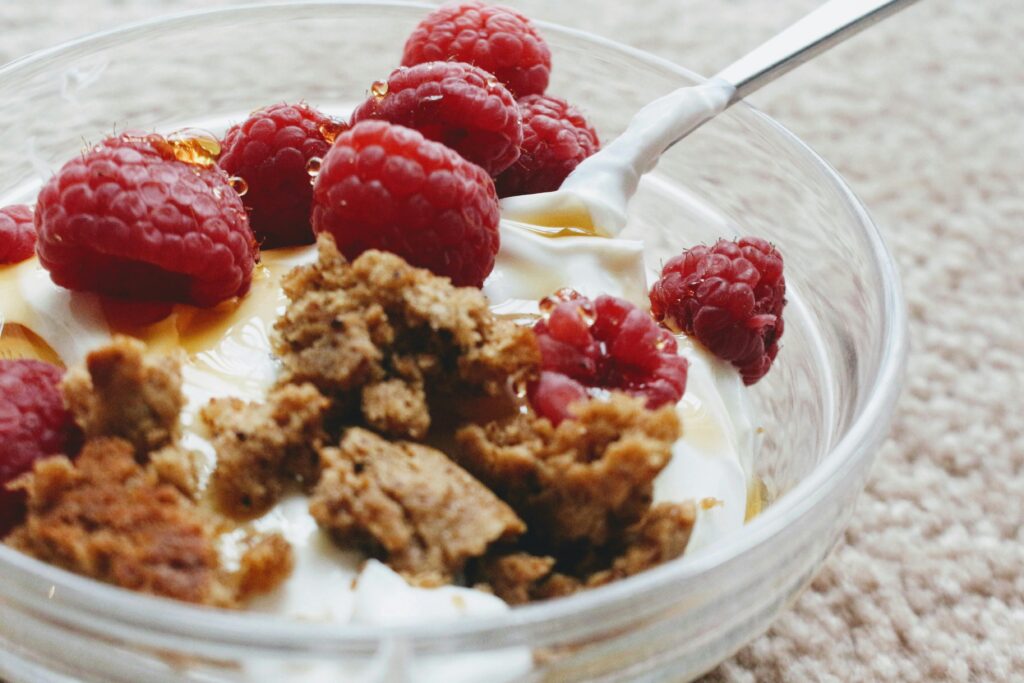
- Smoked Salmon and Cottage Cheese Toast
Macros: ~350 calories | 28g protein | 28g carbs | 10g fat
Ingredients:
- 2 slices whole-grain bread
- 1/2 cup low-fat cottage cheese
- 3 oz smoked salmon
- Fresh dill
Instructions: Toast bread, spread cottage cheese, top with salmon, and garnish with dill.
High-Protein Breakfasts Under 300 Calories
- Hard-Boiled Eggs and Avocado Box
Macros: ~400 calories | 18g protein | 15g carbs | 30g fat
Ingredients:
- 2 large hard-boiled eggs
- 1/2 avocado, sliced
- 10 almonds
Instructions: Slice eggs and avocado, pack with almonds for a portable breakfast.
- Egg White Spinach Frittata Muffins
Macros: ~250 calories (per 3 muffins) | 20g protein | 5g carbs | 10g fat
Ingredients:
- 6 egg whites
- 1/2 cup chopped spinach
- 1/4 cup feta cheese
- 1/4 cup diced bell peppers
Instructions: Preheat oven to 375°F (190°C). Mix ingredients, pour into greased muffin tin, bake 20 minutes.
Portable High-Protein Lunches
- Canned Tuna and White Bean Salad
Macros: ~380 calories | 35g protein | 20g carbs | 12g fat
Ingredients:
- 1 can tuna in water
- 1/2 cup cannellini beans, rinsed
- 1 tbsp olive oil
- Juice of 1/2 lemon
- 1 tbsp chopped parsley
Instructions: Mix tuna, beans, and parsley. Drizzle with olive oil and lemon.
- Chicken and Quinoa Power Bowl
Macros: ~450 calories | 40g protein | 35g carbs | 10g fat
Ingredients:
- 4 oz grilled chicken breast
- 1/2 cup cooked quinoa
- 1/2 cup diced cucumber
- 1/2 cup cherry tomatoes
- 1 tbsp vinaigrette
Instructions: Layer quinoa, chicken, and vegetables. Drizzle with dressing.
- Turkey and Hummus Roll-Ups
Macros: ~300 calories | 25g protein | 10g carbs | 15g fat
Ingredients:
- 4 slices low-sodium deli turkey
- 2 tbsp hummus
- 1/4 cup matchstick carrots
- 1/4 cup spinach
Instructions: Spread hummus on turkey, add carrots and spinach, roll tightly.
- Lentil and Feta Salad
Macros: ~350 calories | 18g protein | 30g carbs | 12g fat
Ingredients:
- 1 cup cooked lentils
- 1/4 cup crumbled feta
- 1/4 cup diced cucumber
- 1 tbsp balsamic glaze
Instructions: Toss all ingredients together.
Fast Weeknight Dinners
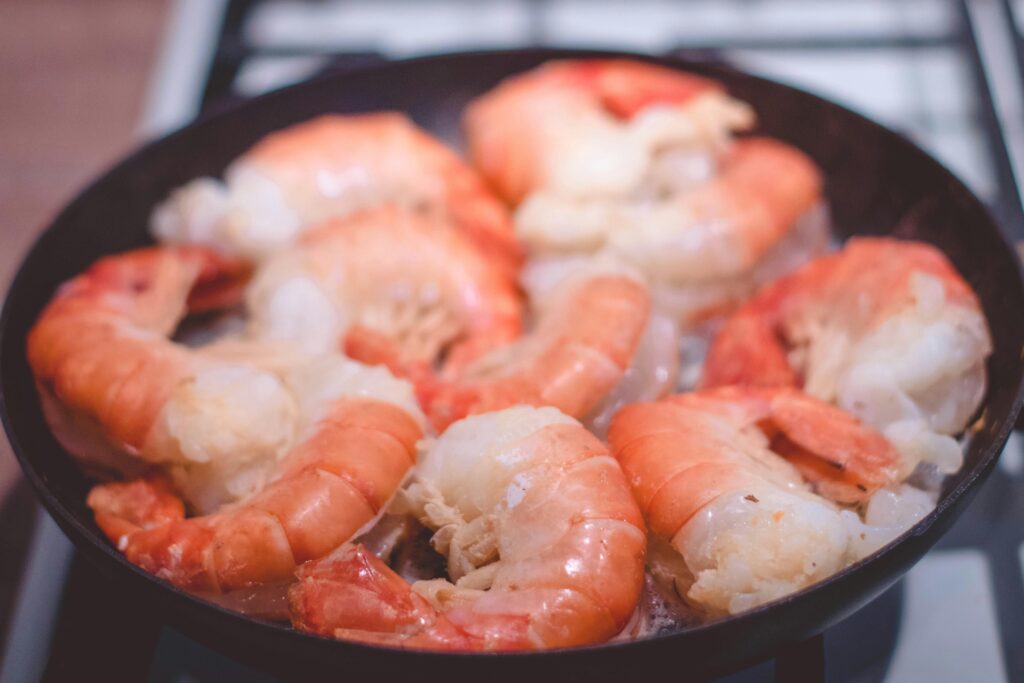
- Sheet Pan Shrimp and Asparagus
Macros: ~350 calories | 30g protein | 10g carbs | 15g fat
Ingredients:
- 6 oz shrimp, peeled
- 1 cup asparagus
- 1 tbsp olive oil
- 1 clove garlic, minced
- Juice of 1/2 lemon
Instructions: Toss shrimp and asparagus with oil, garlic, and lemon. Roast at 400°F (200°C) for 15 minutes.
- Rotisserie Chicken Taco Salad
Macros: ~480 calories | 45g protein | 20g carbs | 15g fat
Ingredients:
- 4 oz shredded rotisserie chicken breast
- 2 cups mixed greens
- 1/4 cup black beans
- 2 tbsp salsa
- 2 tbsp plain Greek yogurt
Instructions: Layer chicken, greens, and beans. Top with salsa and yogurt.
- Stir-Fried Tofu and Broccoli
Macros: ~380 calories | 22g protein | 20g carbs | 15g fat
Ingredients:
- 4 oz firm tofu, cubed
- 1 cup broccoli
- 1/2 cup snap peas
- 2 tbsp soy-ginger sauce
Instructions: Sauté tofu and vegetables with sauce. Serve over cauliflower rice.
- Lean Beef and Zucchini Skillet
Macros: ~400 calories | 30g protein | 15g carbs | 18g fat
Ingredients:
- 4 oz lean ground beef
- 1 zucchini, diced
- 1/4 cup diced onion
- 1/2 cup marinara sauce
Instructions: Cook beef until browned. Add vegetables and marinara; simmer 10 minutes.
High-Protein Office Snacks
- Edamame – Steam 1 cup and sprinkle with sea salt.
- Beef Jerky – 1 oz lean beef jerky for a portable snack.
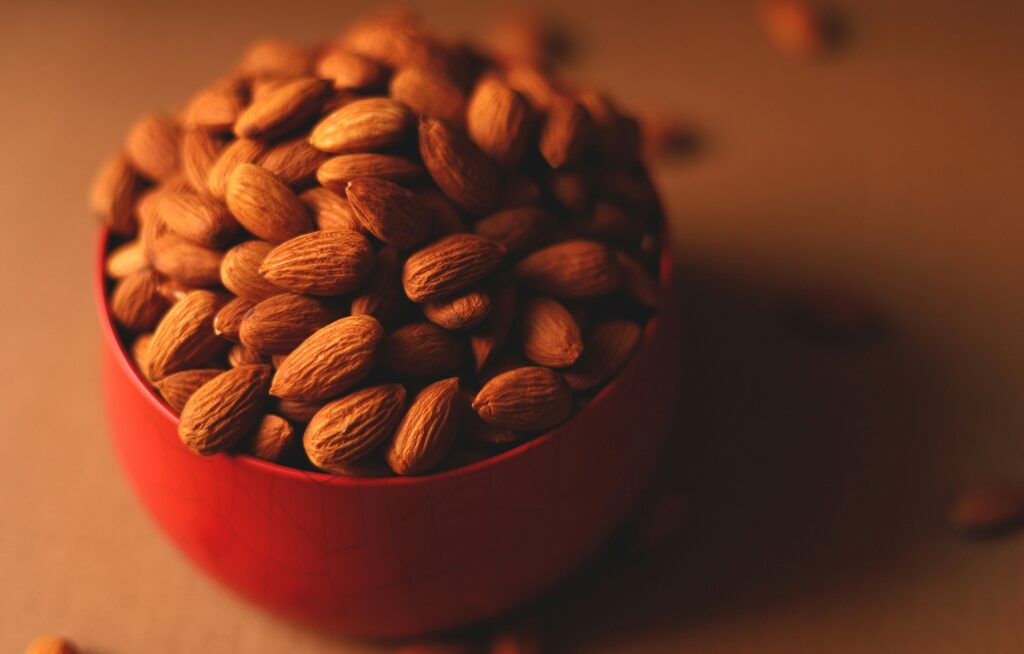
- String Cheese and Almonds – 1 mozzarella stick with 20 almonds.
Creating a Sustainable Routine: High-Protein Eating Made Simple
Maintaining a high-protein diet doesn’t have to mean spending countless hours in the kitchen. For busy professionals, the key to success lies in creating a sustainable routine that supports your goals without adding unnecessary stress to your already packed schedule. Building healthy eating habits often starts with small, manageable changes, and when it comes to protein, a little planning goes a long way. By keeping a rotation of simple, nutrient-packed meals and focusing on convenient protein sources, it’s possible to fuel your day without sacrificing time or energy.
Why Routine Matters
One of the biggest challenges for professionals trying to eat healthier is decision fatigue. After a long day of meetings, emails, and deadlines, deciding what to eat for dinner can feel like an overwhelming task. This often leads to grabbing something quick and unhealthy, like fast food or processed snacks. By creating a high-protein meal routine, you can eliminate the guesswork and make healthy eating an automatic part of your day.
A sustainable routine also supports consistency, which is essential for seeing long-term results. Whether your goal is to improve focus, build muscle, stabilize energy levels, or simply feel better overall, sticking to a high-protein diet will help you get there. The trick is to plan ahead, simplify your choices, and make protein-rich meals as accessible as possible.
High-Protein Meal Prep for Busy Professionals
Meal prep is one of the most effective strategies for maintaining a high-protein diet, especially for those with demanding schedules. The idea is simple: dedicate a few hours once or twice a week to prepare meals and snacks in advance, so you have healthy options ready to go whenever you need them.
Here’s how to get started:
- Plan Your Meals in Advance
Start by selecting a few high-protein meals that you enjoy and can easily prepare in bulk. Aim for a mix of breakfasts, lunches, and dinners to cover your week. For example:- Breakfast: Egg white muffins with spinach and feta
- Lunch: Grilled chicken salad with quinoa and veggies
- Dinner: Baked salmon with roasted sweet potatoes and asparagus
- Snacks: Greek yogurt with almonds, or hard-boiled eggs with baby carrots
- Stock Up on Protein Staples
Keep your kitchen stocked with versatile, protein-rich foods that require minimal prep. Some great options include:- Canned tuna or salmon: Perfect for quick salads or protein-packed sandwiches.
- Rotisserie chicken: A convenient option for shredding into wraps, salads, or stir-fries.
- Eggs and egg whites: Great for breakfast or as a snack throughout the day.
- Greek yogurt: High in protein and easy to pair with fruit or granola.
- Pre-cooked lentils or beans: Ideal for adding to soups, salads, or grain bowls.
- Protein powder: Quick and easy for shakes or adding to oatmeal.
- Batch Cook Your Proteins
Cooking protein in bulk saves time and ensures you always have options ready. For example, you can bake a large batch of chicken breasts, grill turkey burgers, or roast tofu on Sunday to use throughout the week. Portion them into containers to add to different meals each day. - Prep Versatile Ingredients
Choose ingredients that can be mixed and matched to create a variety of meals. For instance, roasted veggies, cooked quinoa, and shredded chicken can be combined into salads, wraps, or grain bowls. This keeps your meals interesting while reducing prep time. - Invest in Containers
High-quality meal prep containers are a game-changer. Look for stackable, microwave-safe containers to store your food. Having everything neatly organized in your fridge makes it easier to grab what you need and stick to your routine. - Keep Snacks Handy
Busy professionals often need snacks to stay energized between meals. Pre-portion high-protein snacks like nuts, cheese sticks, or homemade trail mix into small bags or containers. This makes it easier to avoid vending machine temptations.
Making High-Protein Eating Practical
The beauty of a high-protein diet is its flexibility. You don’t have to follow a rigid meal plan or spend hours cooking to eat well. By focusing on practical, time-saving strategies, you can build a routine that fits seamlessly into your lifestyle.
For instance, if you’re short on time in the morning, prepare overnight oats with protein powder the night before for a grab-and-go breakfast. If you need a portable lunch for the office, pack a wrap with turkey, hummus, and plenty of veggies. Even dinners can be simplified with one-pan recipes like baked chicken and vegetables or quick stir-fries using pre-cooked protein.
Staying Consistent
Consistency is the cornerstone of any sustainable routine. The goal isn’t to be perfect but to create habits that make high-protein eating feel effortless. If you miss a meal or have an off day, don’t stress—just get back on track with your next meal. Over time, these small, consistent efforts will add up, helping you achieve your goals while maintaining your busy lifestyle.
By adopting a sustainable meal prep routine and focusing on accessible protein sources, busy professionals can fuel their bodies and minds without sacrificing precious time. High-protein eating doesn’t have to be complicated—with a little planning, you can stay energized, productive, and healthy through even the busiest of weeks.
Frequently Asked Questions
Are high-protein meals good for weight loss?
Yes, they help increase fullness and support calorie control as part of a balanced diet.
How much protein should a meal contain?
Most people aim for 20–40g per meal, depending on goals and daily intake. Find out here how much protein you need each day to build muscle.
Can I eat high-protein meals every day?
Yes, high-protein foods can be included daily when balanced with other nutrients.
High-Protein Meal Prep for Busy Professionals
Disclaimer: This article is for informational purposes only and does not constitute medical or nutritional advice.
Pingback: High-Protein Recipes Under 400 Calories (Quick & Simple)
Pingback: 10 Convenient High-Protein Breakfasts Without Protein Powder
Pingback: 10 High-Protein Breakfast Meal Prep Ideas That Save Time
Pingback: 10 Simple High-Protein Meals for Weight Loss That Actually Work
Pingback: High-Protein Meal Prep: 21 Easy Recipes for Busy Adults
Pingback: How Much Protein Do You Need Per Day? 5 Factors Explained
Pingback: Budget-Friendly High-Protein Meals: 10 Cheap & Filling Recipes
Pingback: 10 No-Reheat High-Protein Lunch Ideas (Quick & Healthy)